
Understanding Temporary Erectile Dysfunction: Duration and Causes
Erectile Dysfunction | Erectile Dysfunction Medication | ED Treatment
Temporary erectile dysfunction, also known as situational or intermittent erectile dysfunction, can cause concern and uncertainty in men. Erectile dysfunction can be a distressing experience for men, raising questions about its duration and potential causes. In this blog post, we will delve into the topic of temporary erectile dysfunction, exploring its duration and the various factors that contribute to its occurrence. Understanding this condition can help alleviate anxiety and provide clarity on its expected timeline.
Defining Temporary Erectile Dysfunction

Temporary erectile dysfunction refers to occasional episodes of difficulty achieving or maintaining an erection sufficient for sexual activity. Unlike chronic erectile dysfunction, which persists over an extended period, temporary ED is characterized by intermittent occurrences and is not a constant issue. It is often situational, meaning it may only arise in specific circumstances or contexts.
Duration of Temporary Erectile Dysfunction

The duration of temporary ED can vary depending on several factors, including the underlying cause, individual health, and psychological factors. Generally, temporary ED is short-lived and resolves spontaneously or with appropriate interventions. It is important to note that there is no fixed timeline, as the duration can differ from person to person. However, temporary erectile dysfunction typically lasts for a few days to a few weeks.
Factors Influencing Temporary Erectile Dysfunction

Here are some key factors that can contribute to temporary erectile dysfunction:
- Psychological factors: Psychological factors play a significant role in temporary erectile dysfunction. Stress, anxiety, performance pressure, depression, and relationship issues can all contribute to occasional episodes of ED. These factors can create mental barriers that interfere with sexual performance and desire. Addressing the underlying psychological stressors through therapy or relaxation techniques can help alleviate temporary ED.
- Medication side effects: Certain medications can have temporary side effects that affect erectile function. For example, antidepressants, antihistamines, blood pressure medications, and sedatives may impact sexual performance. It is important to consult with a healthcare professional if you suspect that medication may be contributing to temporary ED. They may recommend adjusting the dosage or switching to an alternative medication to alleviate the side effects.
- Lifestyle factors: Unhealthy lifestyle choices can contribute to temporary erectile dysfunction. Excessive alcohol consumption, smoking, drug use, poor diet, lack of exercise, and inadequate sleep can all impact sexual performance. Making positive lifestyle changes, such as reducing alcohol intake, quitting smoking, adopting a balanced diet, and exercising regularly, can improve overall health and decrease the likelihood of temporary ED.
- Fatigue and stress: Fatigue and chronic stress can negatively affect sexual function. Lack of sleep and high levels of stress can disrupt hormonal balance and decrease sexual desire. Rest, relaxation techniques, and proper sleep can help alleviate temporary erectile dysfunction associated with fatigue and stress.
- Physical health conditions: Underlying physical health conditions can contribute to temporary erectile dysfunction. Hormonal imbalances, diabetes, cardiovascular disease, neurological disorders, and other health issues can impact erectile function. Managing and treating these conditions can often improve erectile function over time.
Managing Temporary Erectile Dysfunction
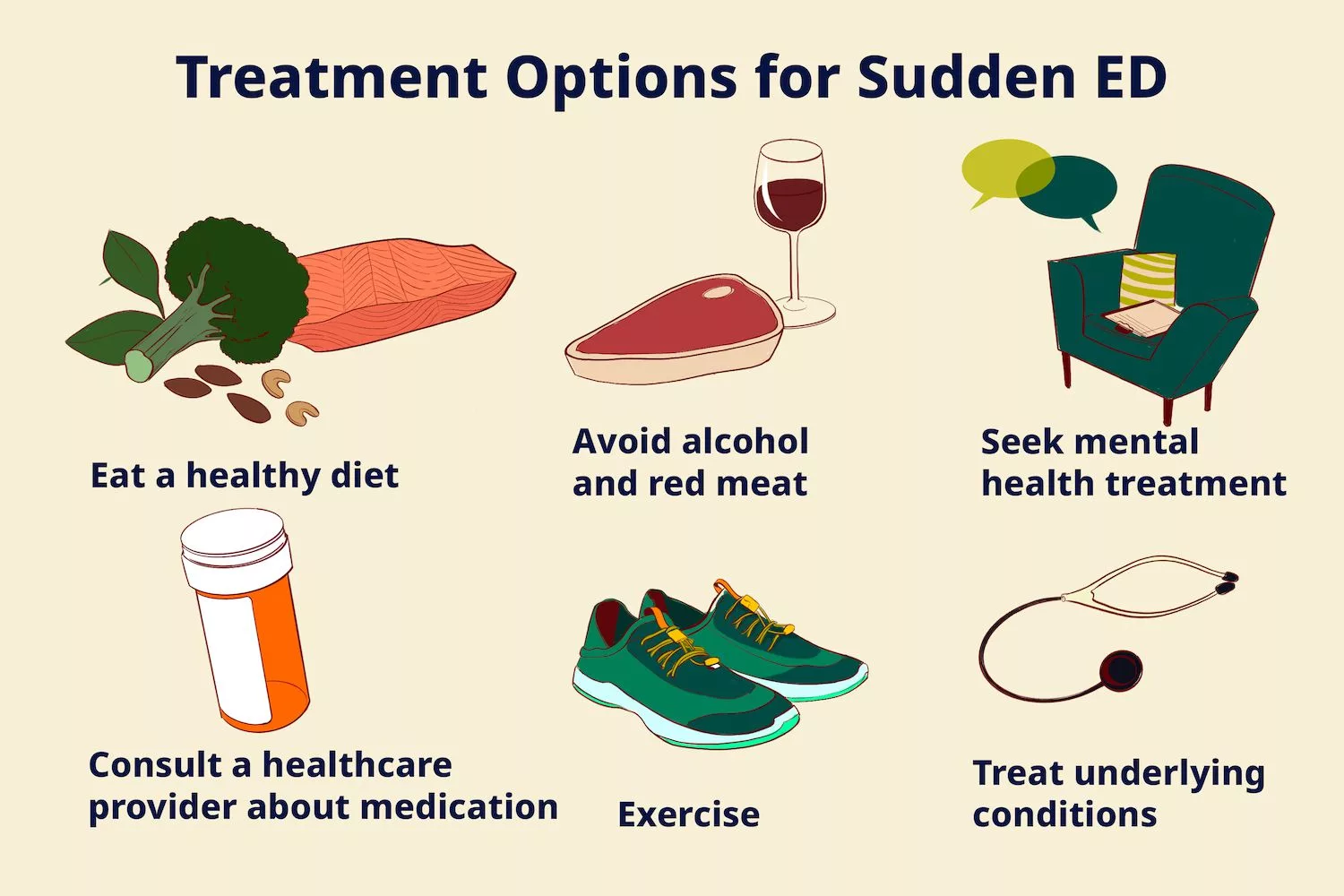
While the duration of temporary erectile dysfunction can vary, there are several strategies individuals can employ to manage this condition effectively:
- Open communication: Discussing concerns with a partner can alleviate anxiety and improve emotional well-being. Sharing feelings and seeking support can strengthen the relationship and alleviate performance pressure.
- Stress reduction techniques: Engaging in stress reduction techniques, such as mindfulness meditation, deep breathing exercises, and regular physical activity, can help manage temporary ED caused by stress and anxiety.
- Healthy lifestyle choices: Adopting a healthy lifestyle is beneficial for overall sexual health. This includes regular exercise, a balanced diet, limited alcohol consumption, avoidance of smoking or drug use, and adequate sleep.
- Seeking professional advice: If temporary erectile dysfunction persists or significantly impacts one’s quality of life, it is advisable to consult with a healthcare professional. They can identify any underlying causes, provide appropriate interventions, and recommend treatments to address the issue.
Final Words
Temporary erectile dysfunction is typically short-lived and can be attributed to various factors, including psychological stressors, medication side effects, lifestyle choices, fatigue, and physical health conditions. While there is no fixed duration for temporary ED, it is important to address the underlying causes and seek appropriate support. By adopting healthy habits, managing stress, and seeking professional advice when necessary, individuals can navigate temporary erectile dysfunction and regain their sexual well-being.
Find Best Treatment for Erectile Dysfunction in Dallas, TX
Call Us Today +1-888-816-9362
Moreover, we have created a setting where you can seek treatment for erectile dysfunction without fear or shame because we recognize the physical and emotional sensitivity of the condition.